NSIWC SET FOR SUSTAINABLE WAGE POLICIES AND INSTITUTIONAL REFORMS
The National Salaries, Incomes and Wages Commission (NSIWC) says the Board and Management of the Commission is poised to institute a sustainable wage policies, stronger institutions and improved social dialogue to promote workers’ welfare.
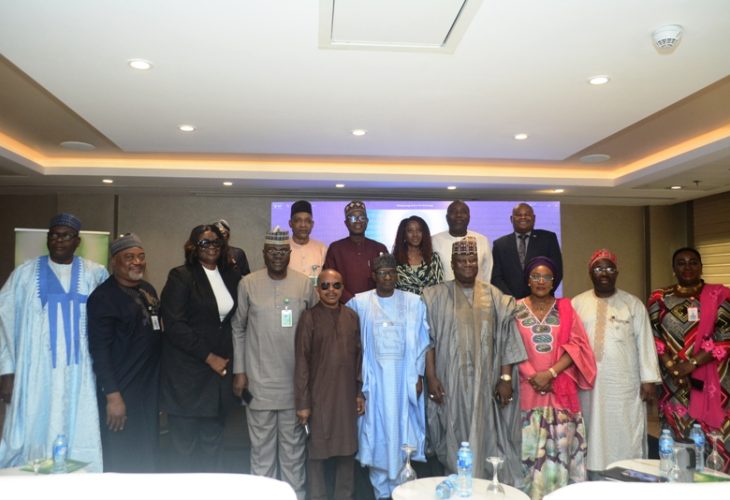
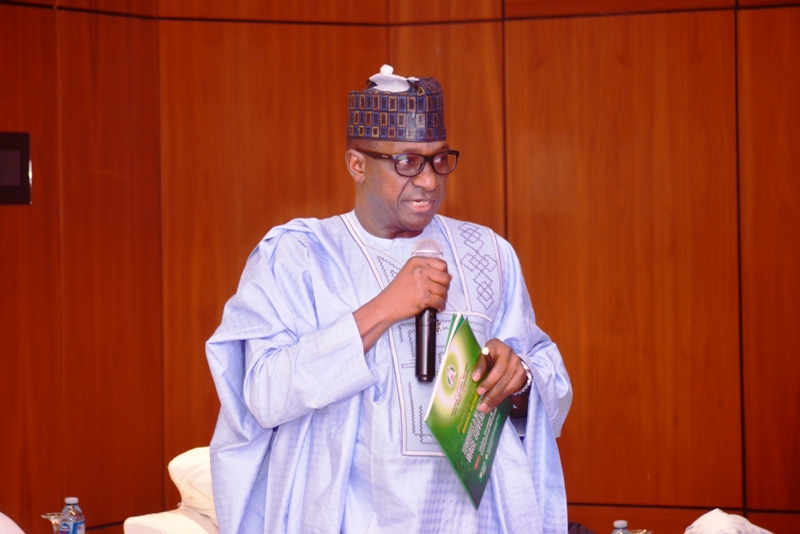
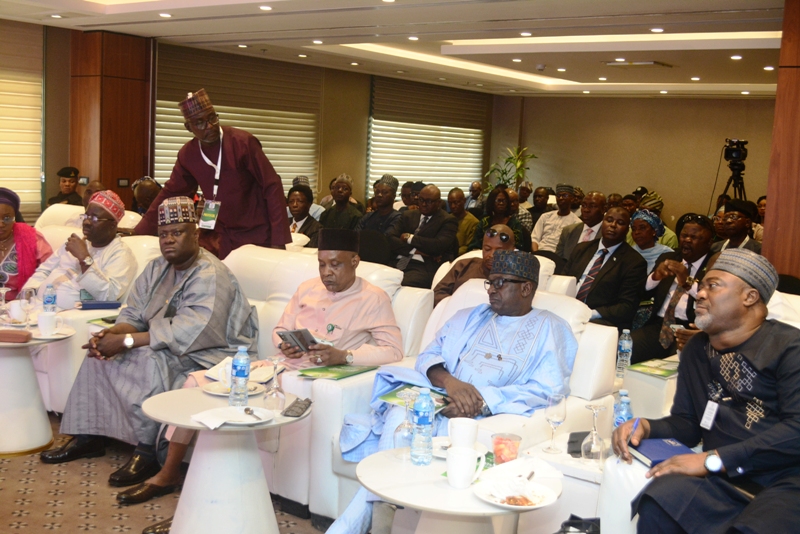
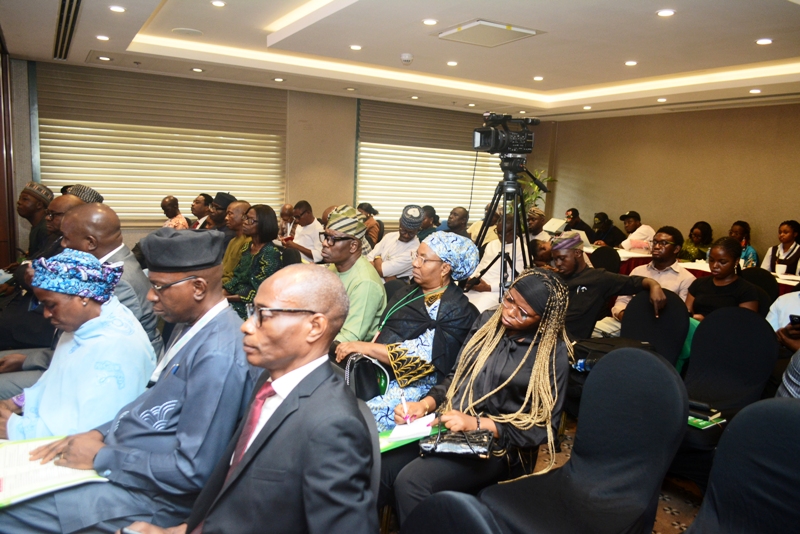
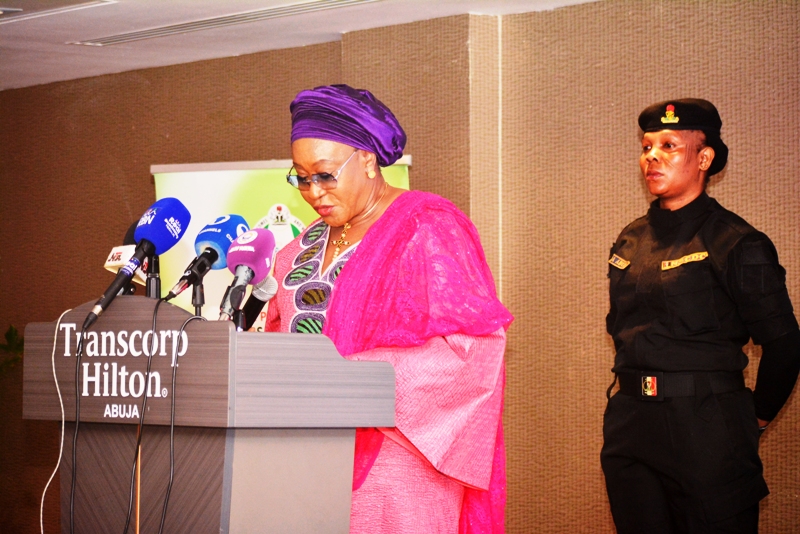
The commission’s Chairman, Major General Junaidu S. Bindawa, (Rtd) PhD fdc+ made the call in Abuja at the opening of its Board Retreat with the theme. ‘’Vision, Strategy and Institutional Renewal’’.
Bindawa said wage administration remains critical to national economicmanagement, workers’ welfare, public expenditure, industrial relations and productivity.
He said changing economic conditions, inflationary pressures and rising labour expectations made evidence-based and sustainable wage policies imperative.
”The commission must continually strengthen its capacity to provide credible research, reliable data, objective analysis and well-considered recommendations to support government decisions,” he said.
Major General Bindawa (Rtd) said wage policies must balance workers’ legitimate expectations with productivity, social justice and the government’s financial capacity.
He said the retreat should produce a practical roadmap with clear priorities, measurable outcomes and implementable actions.
The chairman also called for stronger collaboration between the board and management, improved internal systems and greater use of digital and data-driven approaches.
Similarly, the Secretary to the Commission, Hon. Chief Olajumoke Okoya-Thomas, said the retreat would strengthen the institution’s capacity to advise government on national incomes policy and public sector remuneration.
She said the commission’s mandate required wage decisions to be guided by evidence rather than emergencies.
”What the Nigerian worker earns is not a technical footnote; it touches every home, every market and every budget in this country,” she said.
Hon. Okoya-Thomas noted that the 2024 national minimum wage demonstrated that economic reforms and concern for workers’ welfare could advance together.
She said the retreat would examine wage data, fair remuneration, fiscal realities, social dialogue and the commission’s institutional capacity.
According to her, participants will develop an action plan that aligns with the Renewed Hope Agenda, Nigeria Agenda 2050 and the Medium-Term National Development Plan 2027 to 2030.
She said the plan would contain clear priorities, responsibilities, timelines and measurable outcomes, while the commission’s Monitoring and Evaluation Division would track implementation.
The Head of the Civil Service of the Federation, Abel Olumuyiwa Enitan, said civil service reforms were essential to improving public administration and supporting Nigeria’s economic ambitions.
Enitan said his office and the commission had complementary mandates in promoting workers’ welfare and advancing public service development.
He also said his office prioritized workers’ welfare, capacity development and the digitalization of government workflows.

Leave Your Comment